Precision Tool Storage: Protect Calibration Integrity Daily
By Linh Nguyen • 20th Jan
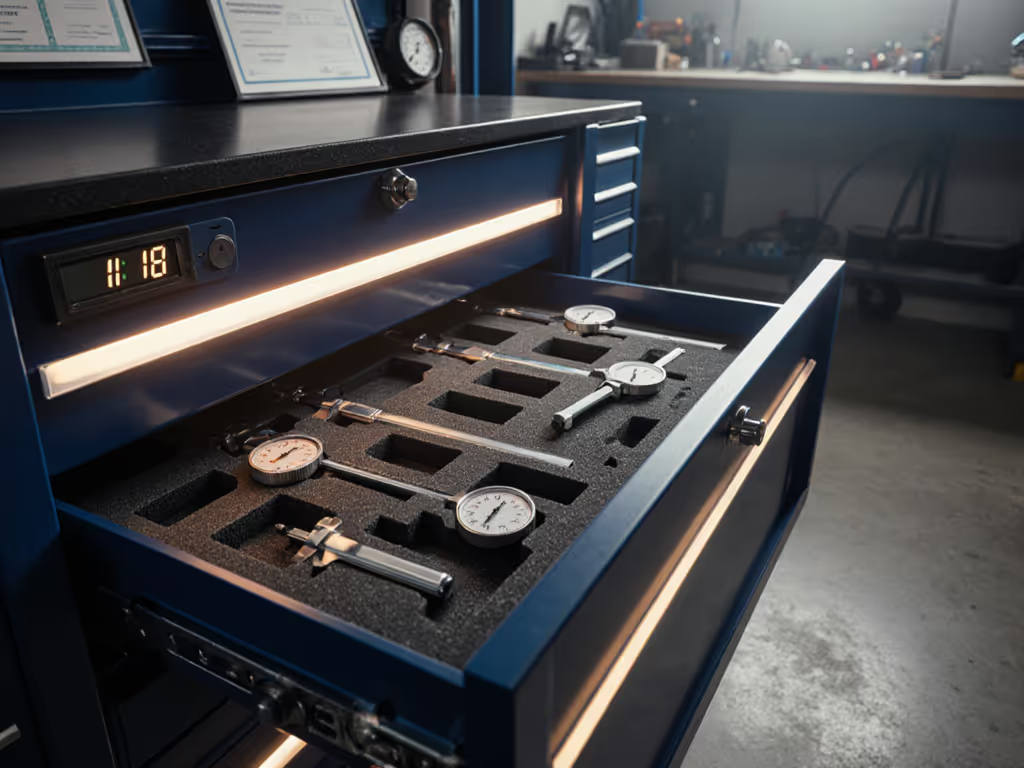
In a shop where precision matters, how you handle precision measurement tool storage directly impacts your work's accuracy and your team's confidence. Good metrology tool organization isn't about neatness for neatness' sake, it's about preventing the invisible enemy: calibration drift. When drawers jam, tools jostle, and humidity creeps in, you're not just dealing with inconvenience; you're setting up your techs for measurement errors that compound throughout the day. I've seen teams lose hours weekly correcting avoidable mistakes simply because their calipers and micrometers lived in chaotic, poorly protected environments.
Why Calibration Drift Starts in Your Drawers
Most technicians know to avoid dropping tools, but fewer recognize how subtle environmental factors degrade calibration over time. Metal expands and contracts with temperature changes, even the heat from your hands alters dimensional readings. Humidity encourages corrosion on critical surfaces. Vibration from nearby equipment slowly shifts internal mechanisms. And when tools bump against each other during storage? That's microscopic damage accumulating with each contact.
Think of it like this: if your precision tools endure more stress sitting in storage than they do during actual measurement, your entire quality assurance process is compromised before the job begins.
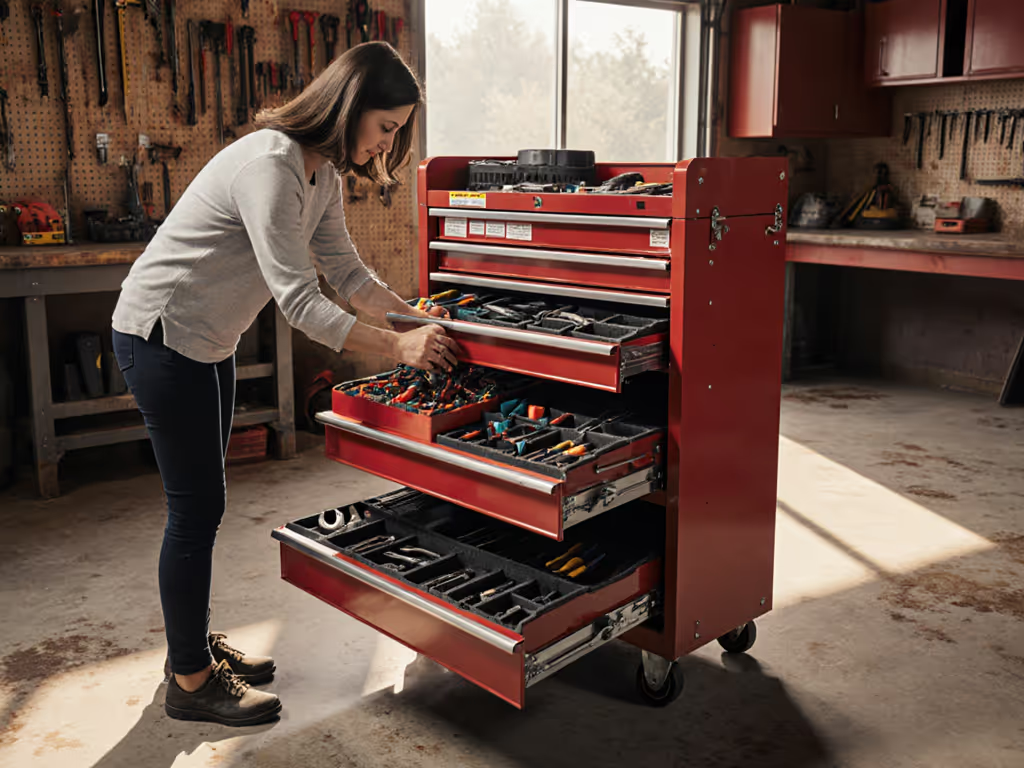
Quiet slides and labeled zones keep brains fresh, because mental energy spent hunting or second-guessing tools is energy stolen from accuracy.
The Environmental Threats You Can't Ignore
Before organizing your tools, address the foundational threats to calibration integrity: If humidity is your main risk, use our climate-controlled tool storage guide for step-by-step prevention.
-
Temperature stability: Store tools in a climate-controlled space between 64-77°F (18-25°C). Avoid placing precision tool cases near heating vents, open bay doors, or direct sunlight.
-
Humidity control: Maintain 40-60% relative humidity. I've watched teams in humid climates transform high-end calipers into scrap metal in months, all because silica gel packets were an afterthought rather than standard practice.
-
Vibration isolation: Keep measurement tools away from presses, air compressors, or heavy machinery. Even subtle floor vibrations travel through cabinets and affect sensitive instruments over time.
One Southeast workshop I consulted nearly abandoned their CMM after inconsistent readings. The culprit? Their precision tools shared a cabinet with impact wrenches, and minute vibrations had thrown everything off calibration. Solve this once and you gain hours of reliable measurement time.
Step 1: Create a Climate-Controlled Home Base
Your precision tools deserve dedicated storage separate from general hand tools. This isn't elitism, it's environmental protection.
Build Your Calibration Sanctuary
Start with these non-negotiables:
-
Designate a specific cabinet zone for precision tools only (never mix with wrenches or sockets that transfer oil and grit)
-
Line drawers with anti-static, non-abrasive matting to absorb minor shocks and prevent metal-on-metal contact
-
Place moisture indicators in storage zones to visually monitor humidity levels
-
Use VCI (vapor corrosion inhibitor) paper wrapped around tools before storage. This chemical barrier actively prevents corrosion without direct contact
For shops without climate control, consider smaller-scale solutions like secure tool chests with humidity-regulating inserts. For proactive upkeep that protects calibration, follow our tool chest maintenance schedule. A colleague recently implemented basic desiccant storage for their micrometer protection system and saw calibration failures drop by 35% within one quarter.
Step 2: Implement Zero-Contact Organization
Proper dimensional measurement organization prevents the two silent killers of precision: micro-abrasion and knock damage.
Divide Before You Store
-
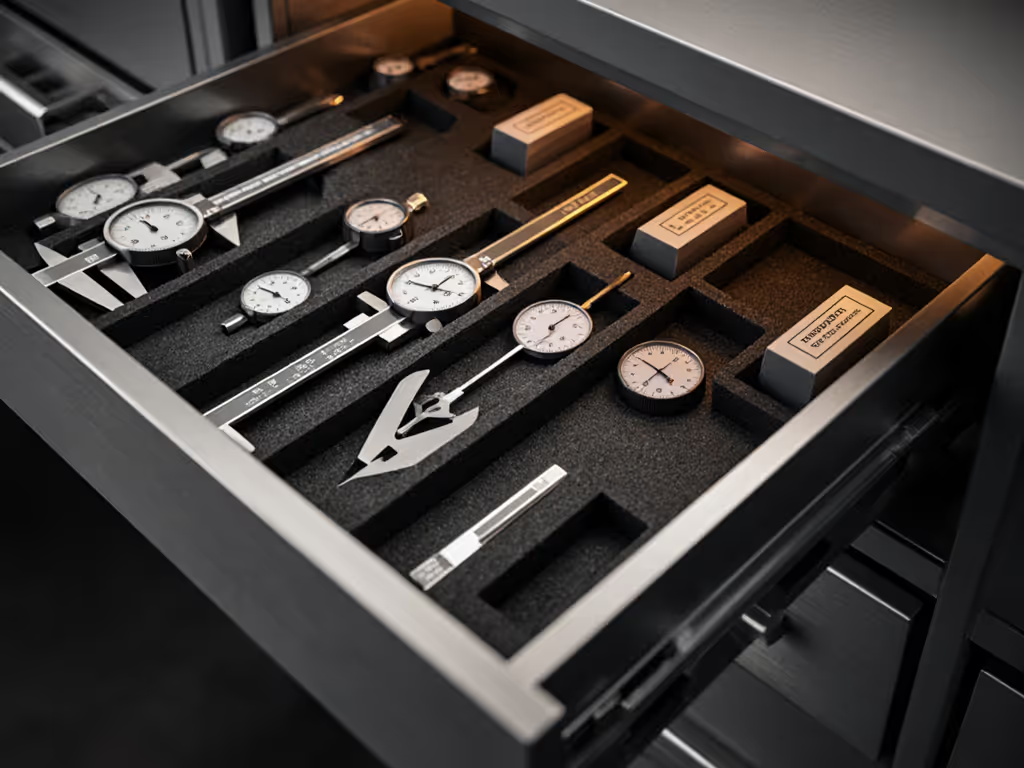
Never allow tools to touch each other in storage. Use adjustable dividers or custom foam inserts, not flimsy plastic inserts that crack under daily use.
-
Store tools in their original cases whenever possible, but supplement with additional protection. A precision tool case with a hard shell won't protect internal components if the caliper bounces against the case walls during transit.
-
Elevate tools off drawer bottoms using non-slip pads. Floor contact transmits cabinet vibrations directly to your delicate instruments.
I once transformed a shop's "calibration corner" from a drawer full of jumbled tools into clearly labeled zones where each instrument had breathing room. Within days, technicians reported fewer "weird readings" that previously required time-consuming re-measurement. When tools live in their own space, they maintain their integrity.
Step 3: Establish Fatigue-Aware Handling Protocols
How tools move in and out of storage matters as much as where they live. Implement these protocols to minimize human-induced calibration errors:
-
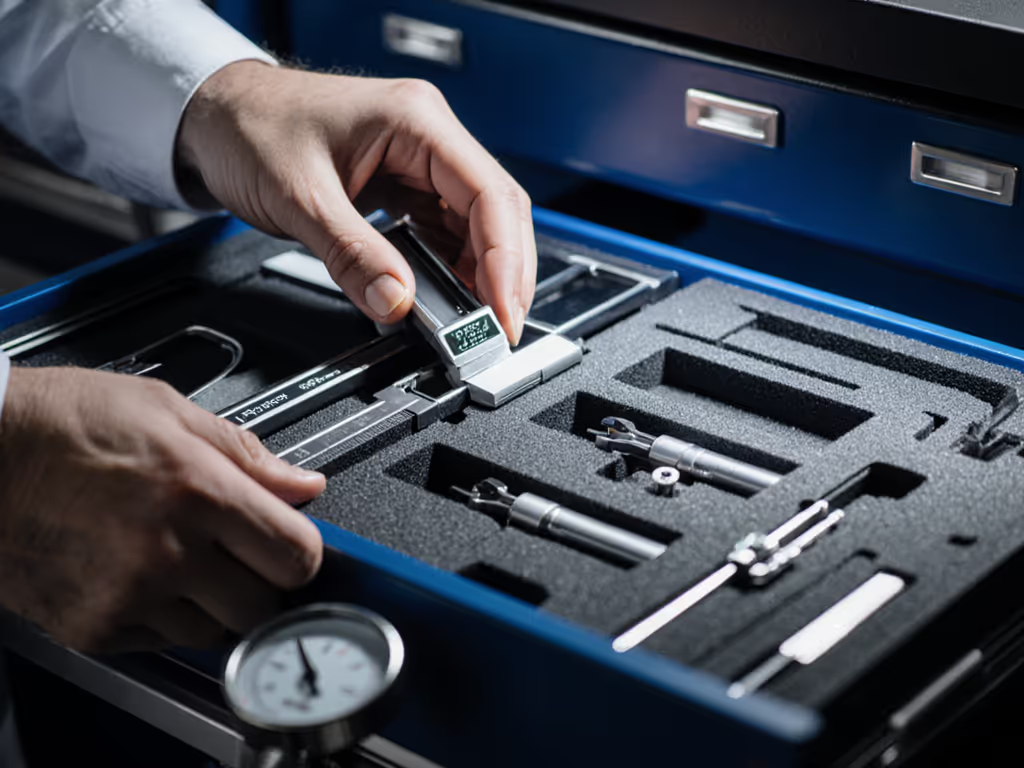
Adopt two-handed carrying for dimensional instruments, never cradle a micrometer while walking
-
Use dedicated bench mats during work sessions (as Jim Tapp from Goodson recommends) to prevent thermal transfer from metal surfaces
-
Limit tool handling time. Run measurements in batches to minimize heat transfer from hands
-
Implement a 30-second cooldown period before storing after use, especially in temperature-variable environments
This is where reach-distance metrics become critical for precision workflows. For workstation layout and reduced strain, see our ergonomic tool chest guide. Position your precision storage zone within your primary work triangle, never forcing technicians to walk across the bay with delicate instruments in hand. Remember that story about the heat-soaked bay? The real breakthrough came when we mapped the actual reach distances to frequently used tools and eliminated unnecessary movement. After lunch, reach dropped by half and fatigue faces disappeared. Precision isn't just about the tool, it's about the entire movement ecosystem.
Step 4: Create Your Calibration Preservation Checklist
Institutionalize these daily habits to catch problems before they compromise your measurements:
-
Morning verification: Check that all tools are properly seated in their designated spots before starting work
-
Humidity check: Verify moisture indicators haven't triggered a color change
-
Visual inspection: Look for any signs of corrosion, grit, or impact damage before use
-
Temperature acclimation: Allow tools brought from different environments 30 minutes to stabilize before critical measurements
-
End-of-day ritual: Clean, dry, and return each tool to its proper home, never leave precision instruments on benches overnight
The Ripple Effect of Precision Storage
When you solve precision measurement tool storage correctly, you're not just protecting individual tools, you're creating a chain reaction of quality improvements. Fewer calibration errors mean fewer rework cycles. Less hunting means more time spent on revenue-generating work. Reduced tool damage means lower replacement costs. But most importantly, you're building technician confidence, when your team trusts their measurements, they trust their work.
Quiet slides and labeled zones keep your team's mental bandwidth focused where it belongs: on the job, not the tools. This isn't ergonomic fluff, it's measurable reduction in error rates and a steadier workflow that compounds throughout the shift.
Your Actionable Next Step
This week, conduct a "calibration vulnerability audit" on your current precision tool storage:
- Identify your three most frequently used precision instruments
- Track how many times each gets mishandled or improperly stored during a shift
- Measure the actual reach distance from primary work position to storage location
- Check current humidity levels in your storage area
Document what you find, you'll likely discover immediate opportunities to reduce calibration drift before your next scheduled tool certification. The data you gather becomes your roadmap to precision protection that pays for itself in accurate measurements and saved technician time.
Remember: ergonomics isn't about comfort, it's about creating conditions where precision can thrive day after day. Good storage isn't an expense; it's your first line of quality assurance.
Related Articles